Approach
Empathy, understanding, community support, and the work of destigmatizing mental-health challenges.
The Purple Warrior
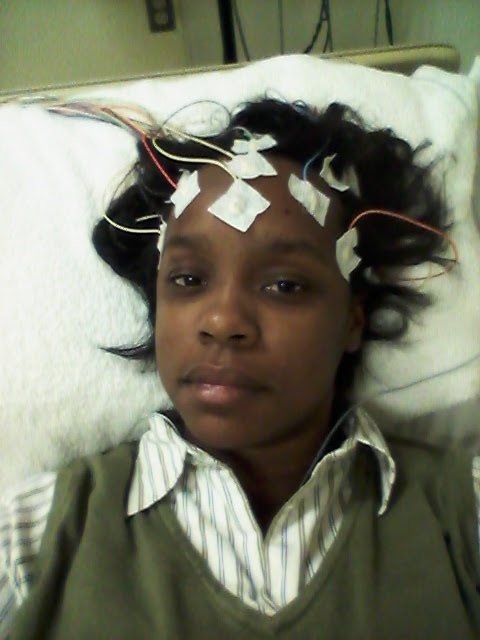
Epilepsy is not me. This is my story of self-advocacy, resilience, and turning battle wounds into purpose.
At 12 years old, I was diagnosed with epilepsy, a chronic seizure disorder. As time passed, the epilepsy blossomed from complex-partial stares into tonic-clonic (grand mal) episodes where I’d be convulsing. From that time to now, the odds have been pushing on me, and I simply “put my armour on, and show you how strong I am.”
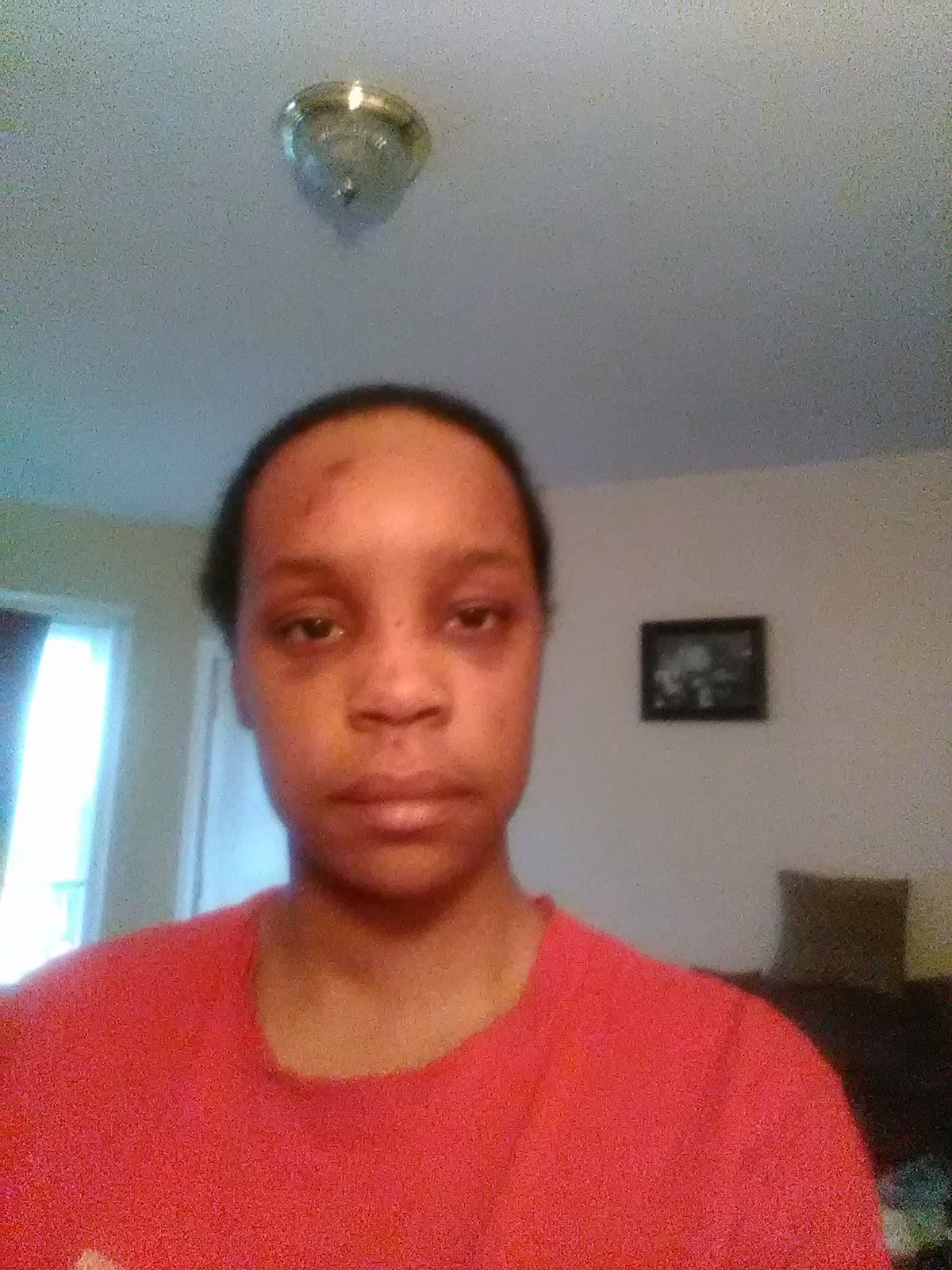
Due to my condition, I face stigmas, implicit biases, and people’s ignorance in general. These challenges were severely diminished when I spoke up. Epilepsy is not me; I am the “purple warrior” (a person fighting epilepsy), covered in battle wounds. In such situations, standing up for self-advocacy is needed to get the quality of life we deserve.
Although I was diagnosed with a very complicated brain condition, I am self-sufficient, even with the baggage epilepsy came with. I always wanted to learn and prosper—maybe not as the pediatric clinical psychologist I once dreamed of becoming, but through the many other titles I hold. I made sure I graduated from high school. It was an important accomplishment to me because so many had their doubts.
My first support group was pre-COVID, so we met in person at Rhode Island Hospital. Epilepsy Foundation New England (EFNE) had Certified Community Health Workers paired with clients in need of resources, and they facilitated the group’s Zoom support meetings. I spoke so freely about my epilepsy that a worker suggested I join the EFNE program to get certified. We all deserve a good quality of life, even though social determinants of health (SDoH) work against it more often than not.
My name is Sarina, and I founded Stigma vs Truth because I live with epilepsy and understand firsthand how isolating stigma can be. As a Community Health Worker and an advocate, my mission is to create a safe haven where individuals with epilepsy and their caregivers can share experiences, feel included, and be supported.
Through Stigma vs Truth, I work to reduce bias and replace misunderstanding with education, compassion, and real‑world resources. Everyone deserves a better quality of life, and by shining a light on what epilepsy truly is—and how to navigate it—we can build a community grounded in truth rather than fear.
This work is personal to me, and it’s my passion to help others feel seen, heard, and empowered.
A Story of Human Connection
Strength Through Every Chapter
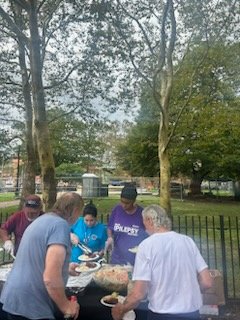
Community in Action
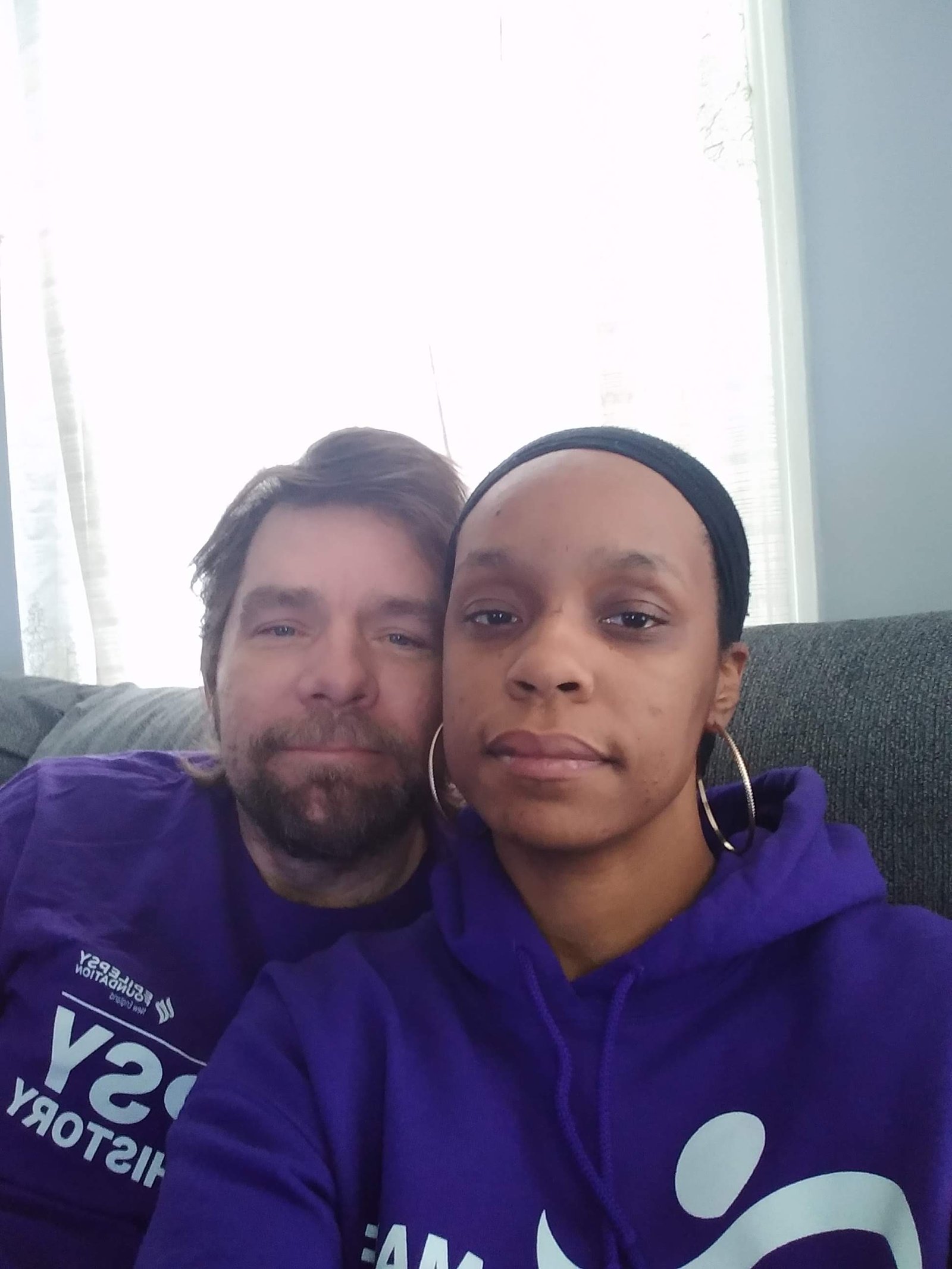
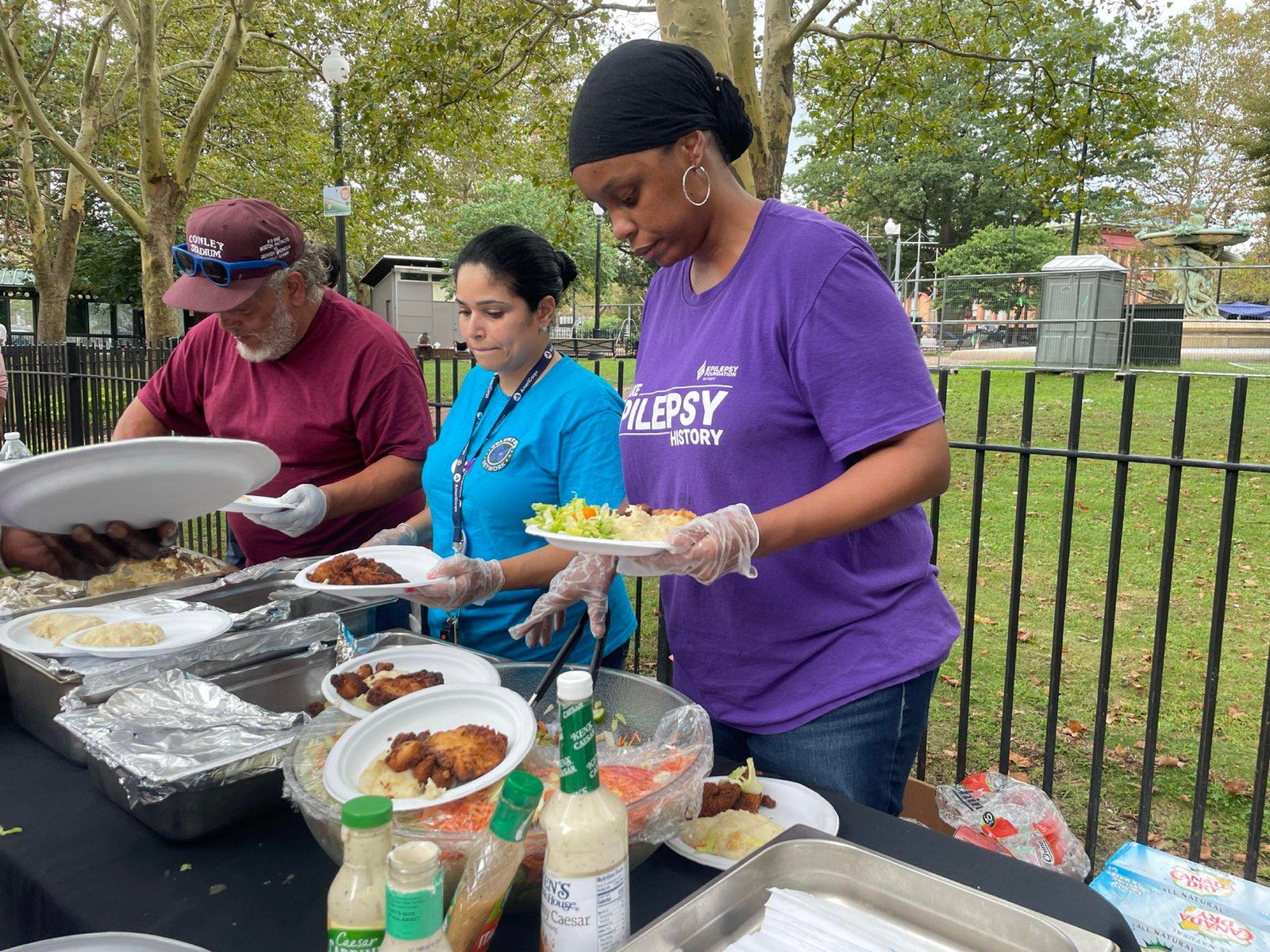
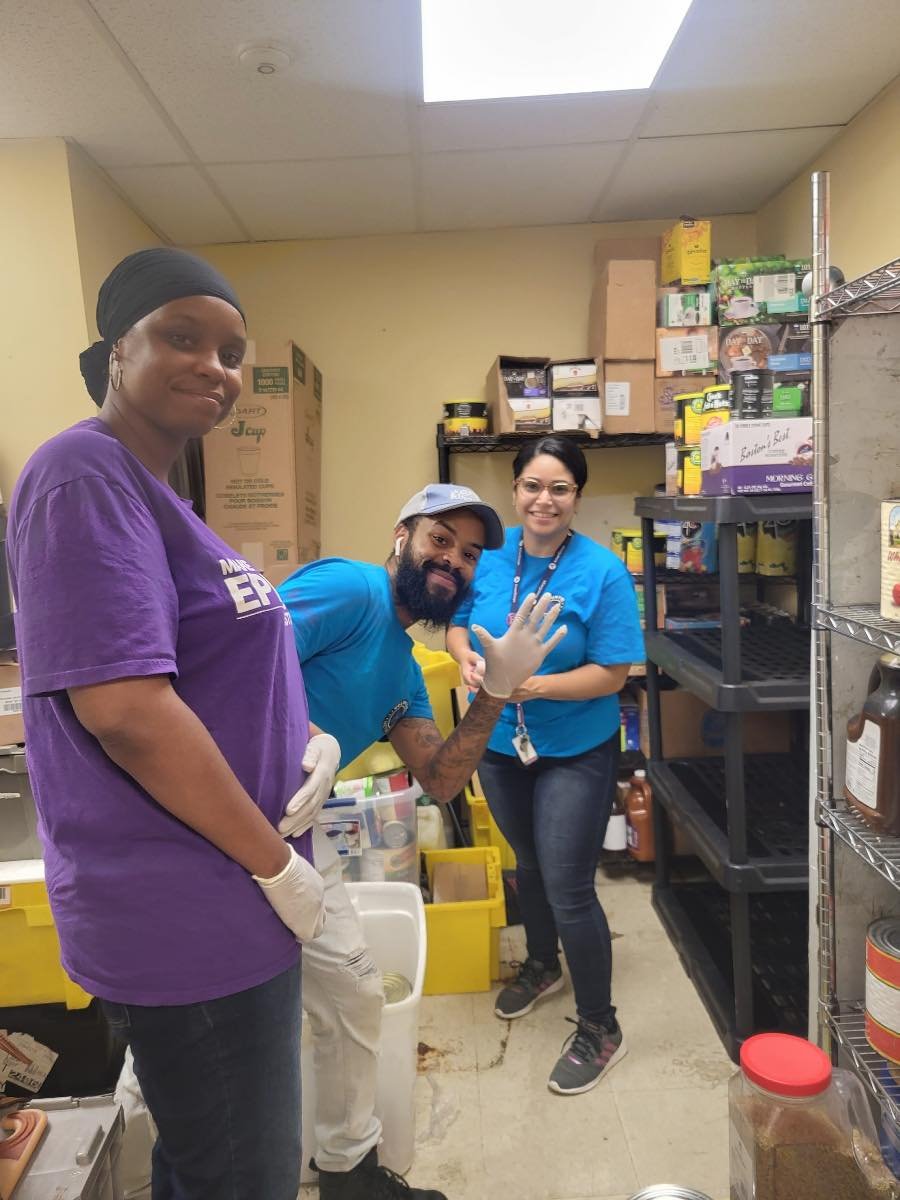
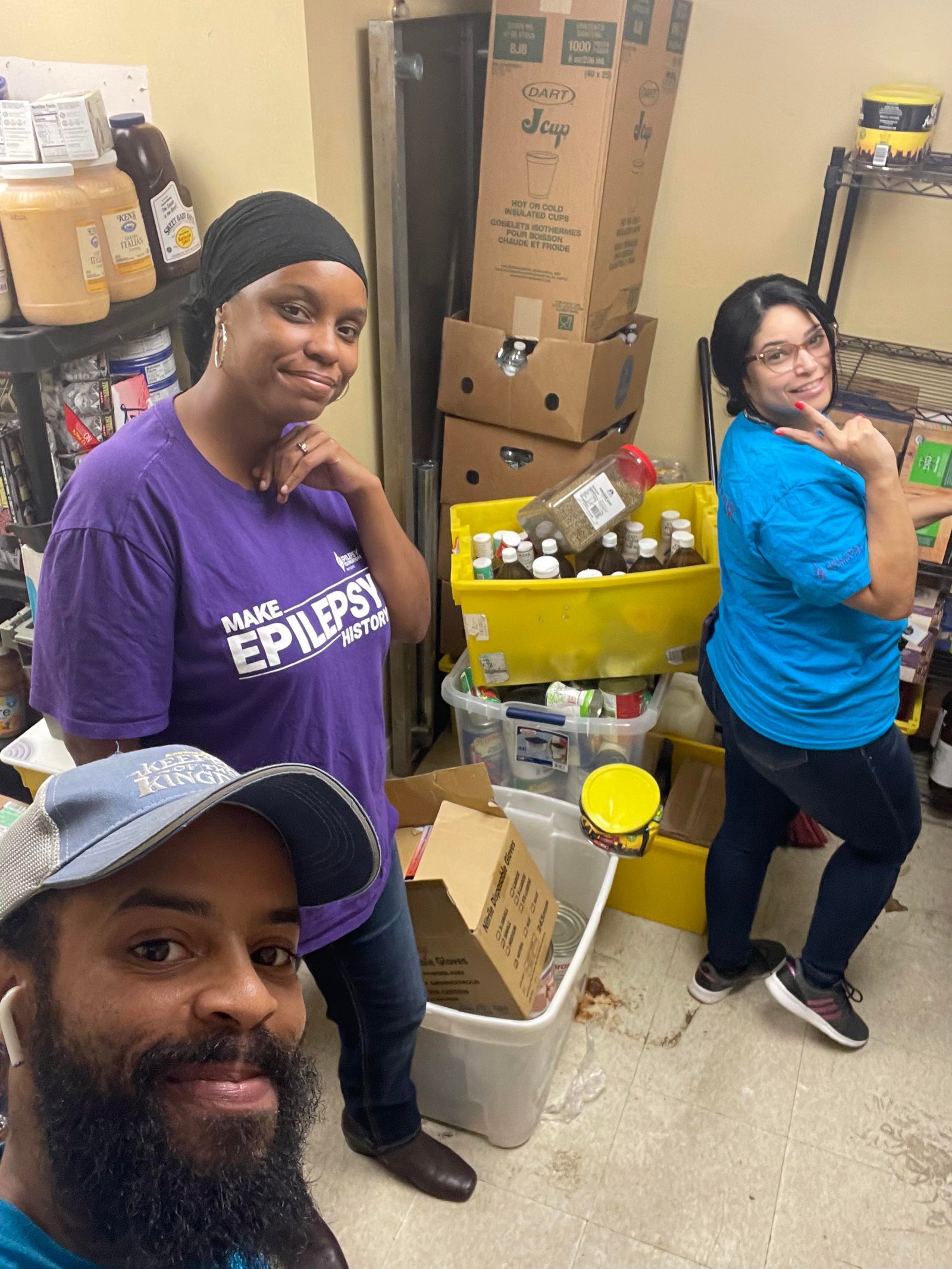
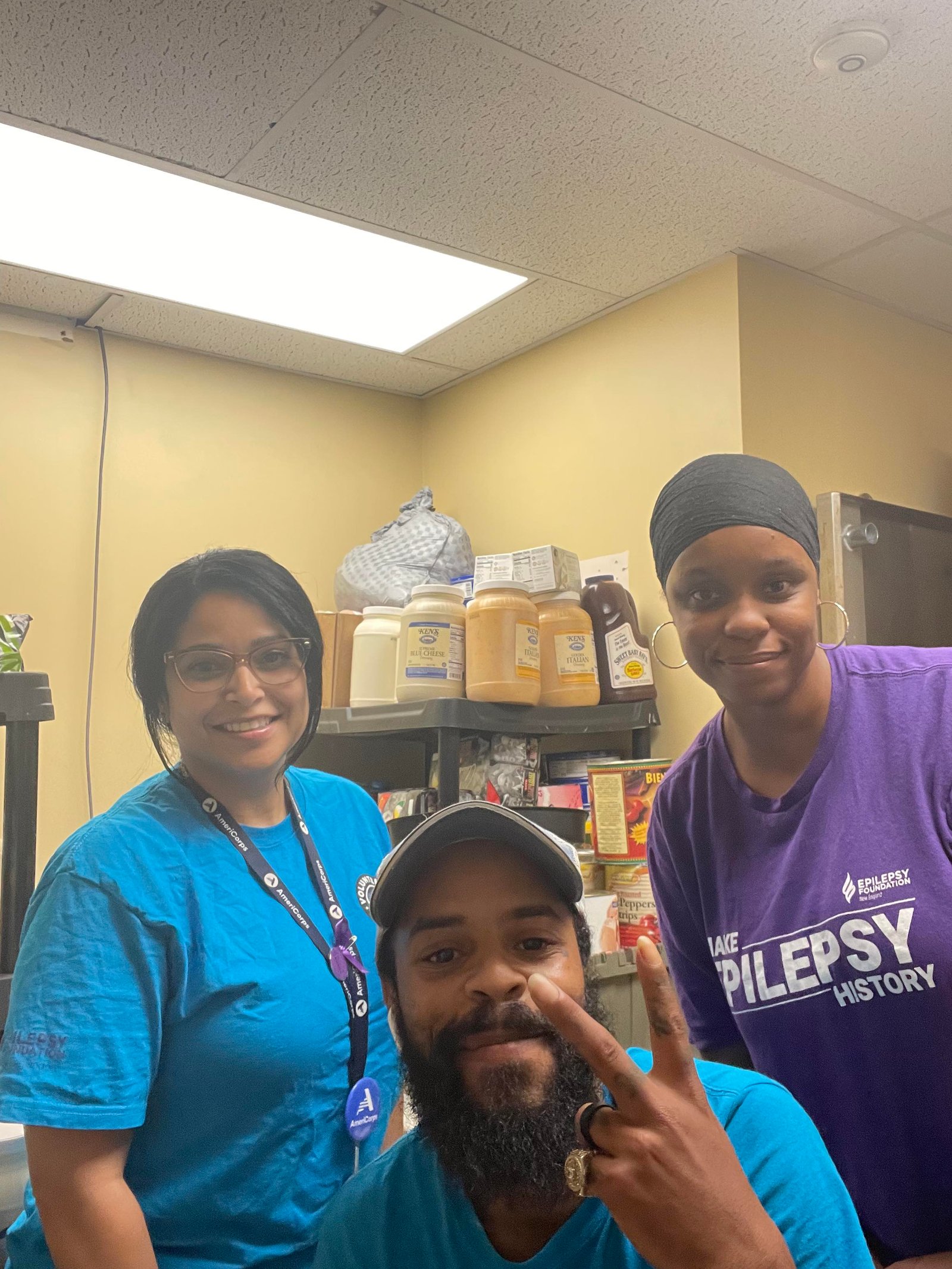
Serving alongside fellow volunteers and helping strengthen the community through teamwork, compassion, and action.
Credentials & Continued Learning
Specialized training that strengthens my work in advocacy, care coordination, health equity, and community health.
Advocating for Better Mental Health
At Stigma vs. Truth, we are dedicated to advocating for better mental health and empowering individuals to thrive. We address social determinants of health and promote holistic well-being through compassionate discussions, evidence-informed information, and a safe space for building resilience.
Empathy, understanding, community support, and the work of destigmatizing mental-health challenges.
Socioeconomic status, education, neighborhood and physical environment, employment, and social-support networks.
Helping people find mental-health support, understand coverage, and recognize the importance of mental well-being.